



Born and raised in Japan, we now live in the vibrant heart of Berlin as Japanese Food Consultants, chefs, and recipe creators. This newsletter is born from our unique background—a space where we cast a multi-dimensional spotlight on Japanese cuisine and the rich culture and stories hidden behind it, "decoding" them for you.
For this issue, we've chosen to decode That Time I Got Reincarnated as a Slime (often known as TenSura), which kicked off its highly anticipated Season 4 in 2026.
Following the Cream Stew from Witch Hat Atelier in our previous issue, we are focusing on a scene from the very first episode of Season 4. The protagonist, Rimuru, brings Takoyaki as a refreshment to a construction site.
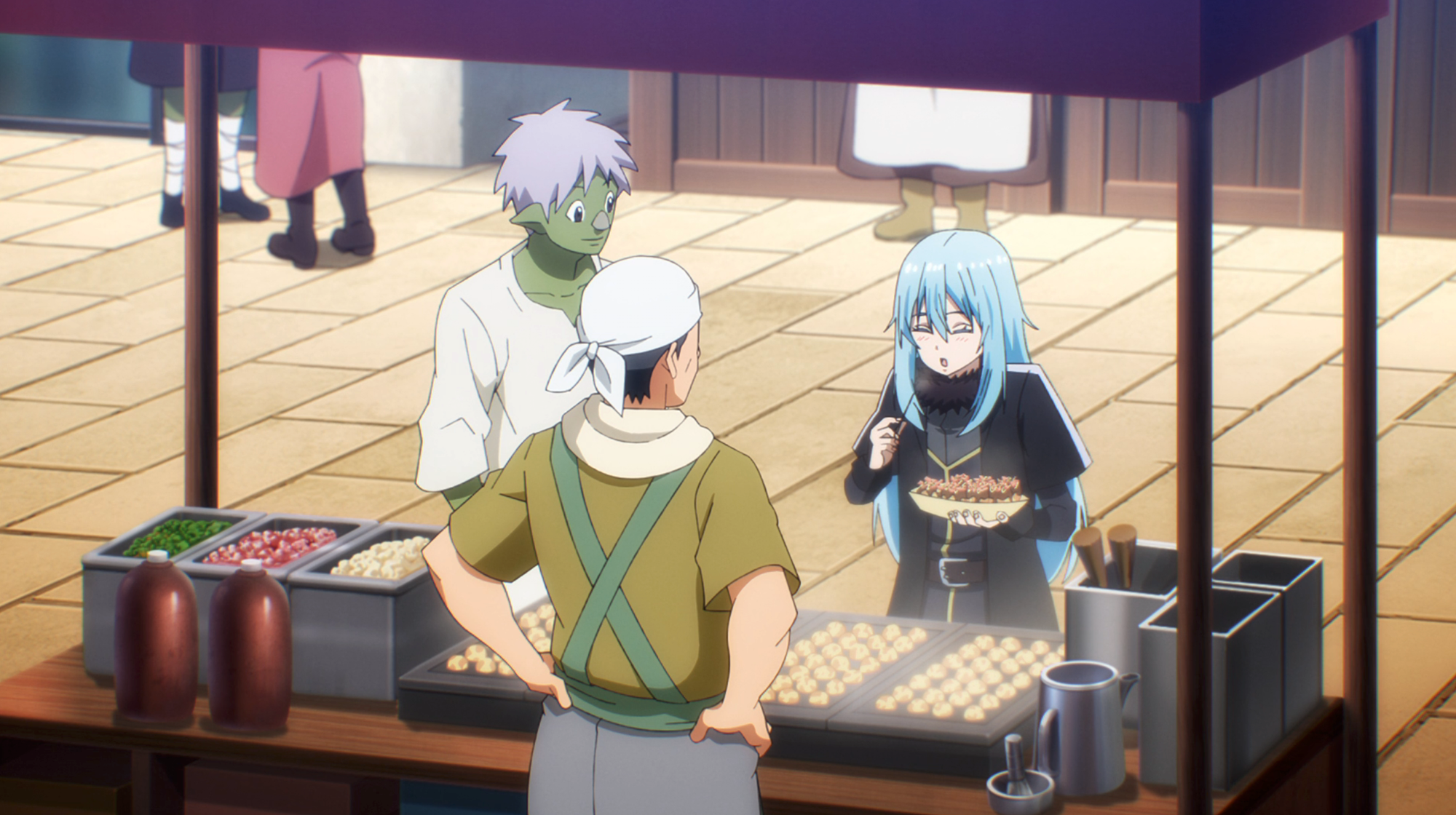
Actually, these little round spheres are packed tightly with the "happy mind" of my hometown, Osaka. Why did Rimuru summon Takoyaki to this town where a wide variety of monsters gather? Let's decode the reason together!
Osaka: The Town That Birthed Takoyaki
Japan has 47 prefectures. It is almost a waste to lump them all together as "Japanese culture," as the dialects, temperaments of the people, and food cultures are astonishingly diverse from region to region. Among them, my hometown, Osaka, has built a unique position.
During the Edo period (17th to 19th centuries), Osaka was the commercial and economic center where goods gathered from all over the country to be traded. Because it was a distribution hub for rice and special products from nationwide, it flourished as the "Kitchen of the Nation" (Tenka no Daidokoro).
In Osaka, where ingredients from all over the country gathered, high-quality, fresh ingredients were easily available, creating a foundation where people became passionate about evaluating ingredients and cooking.
A particularly notable food culture is dashi (broth) made from kelp (kombu). The western part of Japan has softer water compared to the east, making it ideal for extracting the umami (glutamic acid) from kelp. Because a dashi rich in the umami of kelp is at the base, you can make dishes that the tongue firmly perceives as "delicious" without relying too heavily on the saltiness of seasonings like salt or soy sauce. (By the way, Berlin has hard water, so it's quite difficult to draw a good dashi from kelp here.)
Also, Osaka, being a commercial hub, developed the "Osaka dialect" (Osaka-ben) to facilitate smooth business and build trust with customers. It's the ultimate language created by merchants who pursued "how to keep the other person pleasantly engaged without boring them." They achieved this by exquisitely mixing jokes and honest feelings during tough price negotiations to shorten the psychological distance and close deals.
If you ever travel to Osaka, try saying "Mōkarimakka?" (Are you making money?) and "Bochibochi denna" (So-so). You'll definitely get a laugh. Haha.
For them, what matters most is being "omoroi" (interesting and funny). A bright, open, and sociable disposition, where you can share a laugh even with someone you meet for the first time, flows through the streets of Osaka.
As a side note, since living in Berlin, I've noticed that a surprisingly large number of Japanese people I meet have roots in Osaka! You might have an image of Japan as modest and quiet compared to other countries, but Osakans inherently have a DNA that loves chatting. Perhaps, among the Japanese, they have the highest aptitude for living abroad!
The Ultimate Street Food
In such a town that risks its life on being omoroi and "delicious," takoyaki was born. Its prototype is a dish called "Radio-yaki." It is said to have been invented in the 1930s by Tomekichi Endo of the Osaka food stall Aizuya. Radio-yaki didn't contain octopus (tako); instead, it was baked with beef tendon (gyusuji) and konjac.
One day, a customer remarked, "In Osaka, it's meat, huh? In the neighboring prefecture (Hyogo), they put octopus in it." Using this as a hint, Radio-yaki was improved with true Osaka merchant spirit. The beef tendon used in Radio-yaki had a strong flavor and a lot of fat, making it taste more like a "snack for alcohol." Also, when it cooled, the fat solidified, degrading the texture. However, when the filling was changed to octopus, chewing it released a refined umami that enhanced the flavor of the dashi in the batter. Since octopus retains its elasticity even when cold, it became delicious to eat as a souvenir or a refreshment.
As a result of pursuing "deliciousness" in this way, today's takoyaki was completed. Takoyaki, baked by twirling the batter with special thin picks on a custom iron plate with numerous hemispherical indentations, looks almost like a performance and never gets boring to watch. It is truly the ultimate street food loved by the masses, fusing omoroi and "delicious.
The Joy Created by a Dedicated Machine
As explained earlier, takoyaki is baked on a round iron mold, twirled using special picks. Yes, you can't bake it without specialized tools! But don't be surprised: in Osaka, having "one takoyaki maker per household" is a given. Even young people leaving their family homes to live alone will slip a small, personal takoyaki maker into their moving boxes. That's how much we love this iron plate with holes.
You can't make it without a takoyaki maker, and you need special picks (skewers). It takes up space, and you can hardly use it for any other dish. So why do you own one? You might think that, right?
The answer is simple."Because it's fun!" Of course, takoyaki sold at food stalls and restaurants is plenty delicious. But going out of your way to gather special tools, surrounding the iron plate together, making clinking sounds, and creating a "masterpiece" yourself... That process itself is an irreplaceable, happy entertainment for Osakans.
When I started living alone, I brought a small takoyaki maker with me when I moved to Tokyo. I invited colleagues over, threw many Tako-pa (takoyaki parties), and made more friends!
The "Ice-breaking Device" Summoned by Rimuru
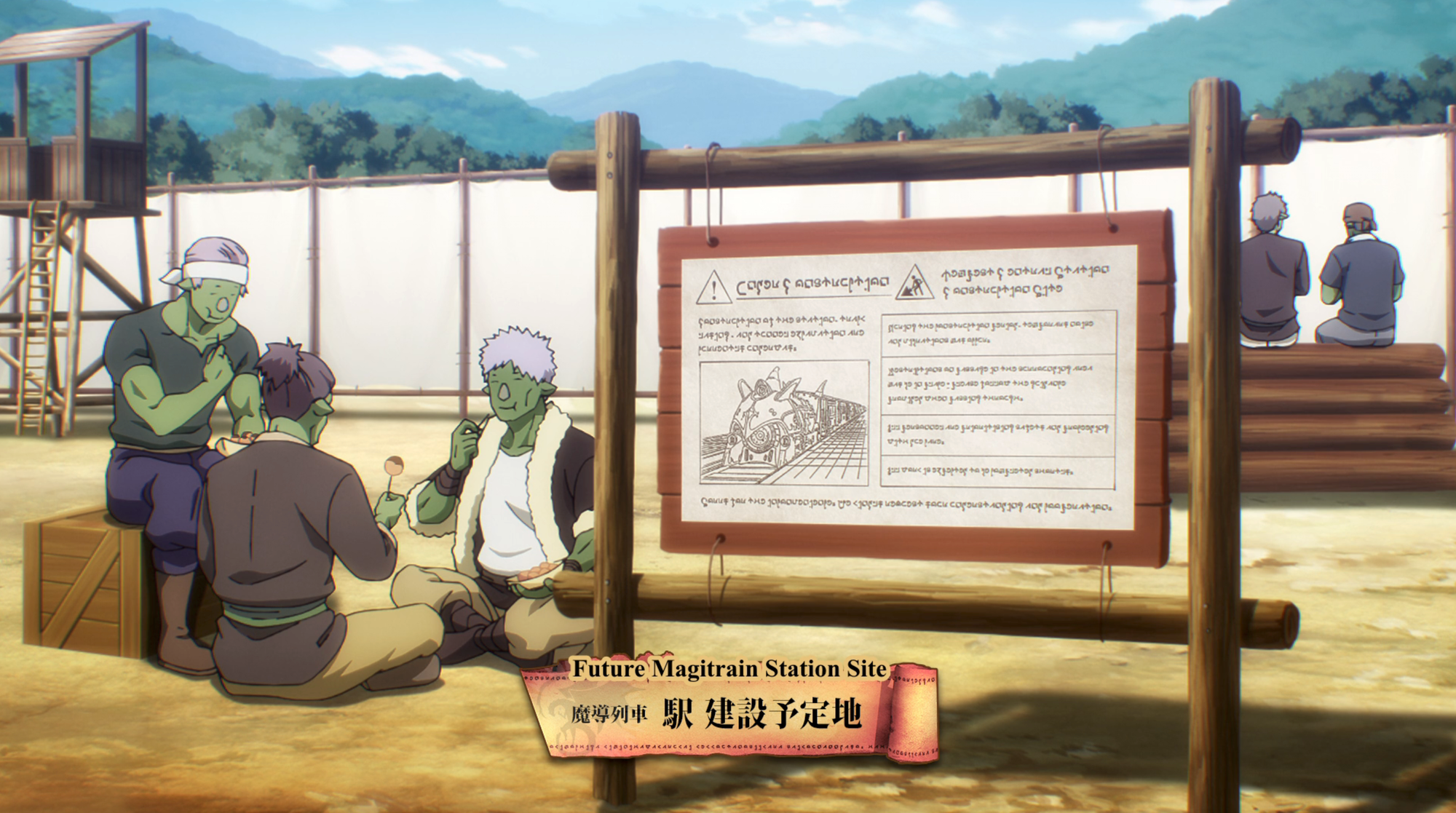
In other words, where there is takoyaki, there is always laughter. The exhilaration of a summer festival lined with food stalls is a given, but a Tako-pa surrounded by friends and family at home is exceptional. Gathering around the hot plate, clinking the picks.Failing to flip them well, or secretly hiding spicy ingredients inside.
Popping freshly baked takoyaki into your mouth and flailing around together because it's too hot. While doing this, the emotional distance naturally shrinks, and you become open-hearted. That is the mysterious power of takoyaki.
Why did Rimuru summon takoyaki as a refreshment for the construction site?Stuffing your cheeks with piping hot takoyaki, blowing on it going "hafu-hafu," and laughing as you look at each other's faces. This is exactly the form of peace Rimuru wished for, and the ultimate happy mind that Osakans cherish: "Everyone gets along through delicious food!" Perhaps, through this refreshment, Rimuru wanted to deliver the "connection of hearts" that would become the foundation of town building.
Spinning Happiness in Berlin
Today, for us living in Berlin—a city where multiple cultures intermingle—our kitchen is our very own "Tempest" (Jura Tempest Federation). If octopus isn't available, we try different fillings. We change the flour ratio. Even these survival-like improvisations turn the cooking time itself into happy entertainment.
Today, instead of relying on store-bought premixes, we will share a recipe that uses the wisdom of dashi to recreate that "happy flavor" right in your Berlin kitchen. We hope you enjoy this journey to the end.
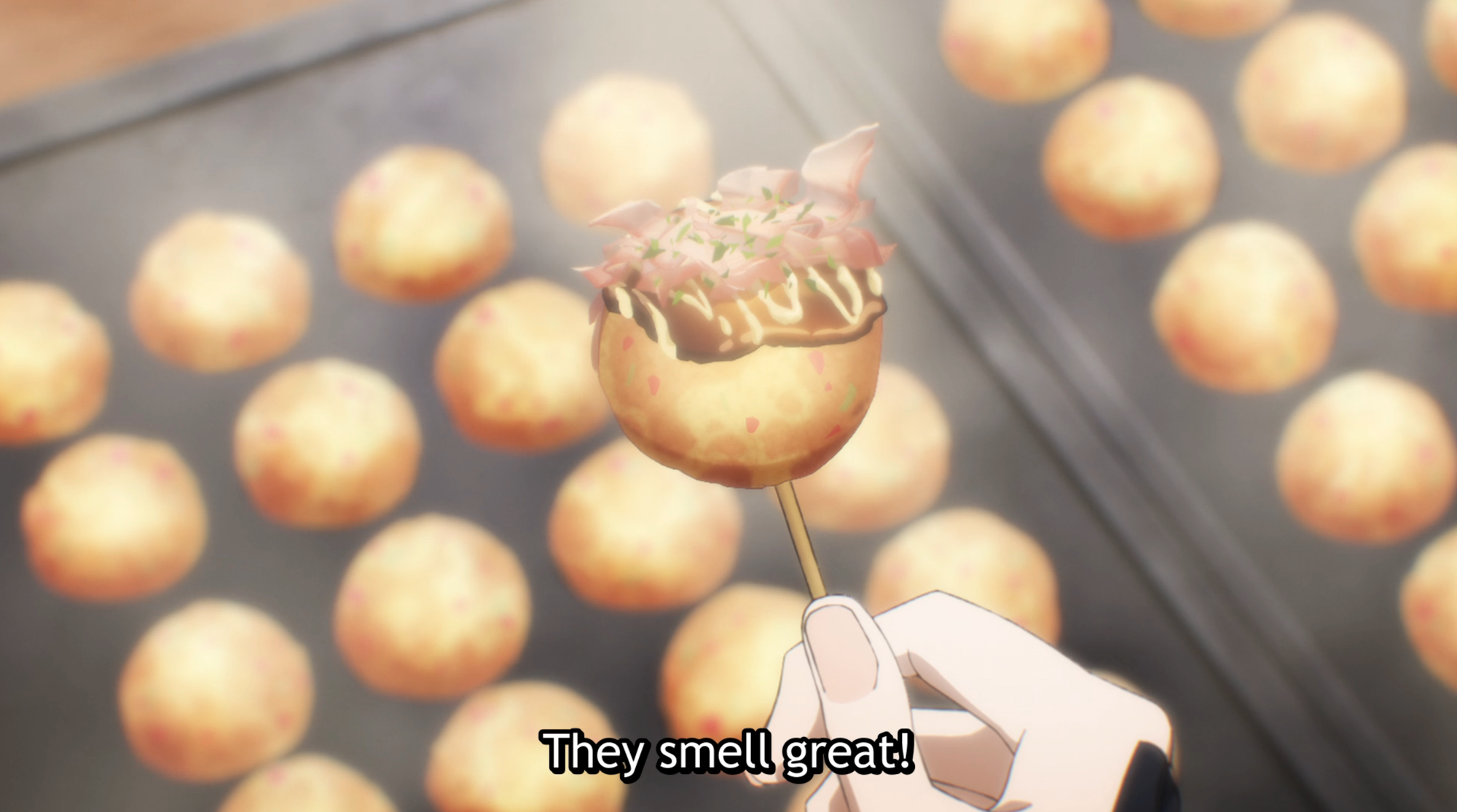

TAKOYAKI
Serves 40-45 pieces
- 135g all purpose flour (TYPE405 in Germany)
- 1 tsp baking powder
- 2 tsp cane sugar
- 1 tsp sea salt
- A handful of bonito flakes, pulverized (Use a blender for a fine powder, or simply crush them as finely as possible by hand to save yourself the cleanup—it adds a nice rustic touch!)
- 900ml kombu (kelp) water (MUST be cold! Soak 10g of dried kombu in 1 liter of water overnight in the fridge. Remove the kombu before using the water.)
- 1 tbsp soy sauce
- 2 eggs
Recommended Fillings
- Boiled octopus, cut into bite-sized pieces
- Spring onions, chopped
- Red pickled ginger, minced (beni shoga. Look for the bright red, julienned type. This is different from the sweet, pale pink sushi ginger!)
- Tempura crisps (tenkasu)
- Alternative fun fillings: Sliced wieners, chopped mushrooms, mini mozzarella cheese balls, etc. Customize it to your liking!
Toppings
- Takoyaki sauce
- Japanese mayonnaise (Kewpie is the gold standard!)
- Aonori (Dried green seaweed powder)
- Extra bonito flakes (To see them "dance" on top)
Essential Tools
- Takoyaki maker: stovetop pan(👈If you have a portable gas stove or a gas range, I recommend using one!)
- Oil brush: Or a folded paper towel held with tongs to grease the holes evenly.
- Pick or Skewers: Pick or Skewers: Bamboo or metal skewers to flip the balls.

1. Mix the Batter
In a large bowl, whisk together the flour, baking powder, sugar, salt, and bonito powder. Add the cold kombu water, soy sauce, and eggs. Whisk until perfectly smooth.
Wait! Let the batter rest in the fridge while you prep your fillings. This resting time helps the flour hydrate, ensuring a creamier center.
2. Prep the Fillings
Chop your octopus and vegetables into bite-sized pieces. Set everything out in small bowls so you can work quickly once the pan is hot.
3. The Art of Frying (Step-by-Step)
- Heat & Oil: Get your takoyaki pan medium-hot and oil it generously (even the flat surfaces between the holes!).
- The First Pour: Give the batter a quick stir (the flour tends to settle). Fill each hole to the brim.
- Stuff It: Place octopus in each hole and sprinkle spring onions, ginger, and tenkasu across the pan. Top it off with extra batter until the tray is completely covered.
- The Flip: Once the edges set, cut the batter into a grid with a skewer. Tuck the excess batter into the holes while rotating the balls.
Pro-tip: For beginners, flip 90 degrees first, let the batter settle, then rotate fully to ensure a perfect sphere.
The Finish: Continue rotating until the balls are perfectly round. Cook until the outside is golden brown and crispy.
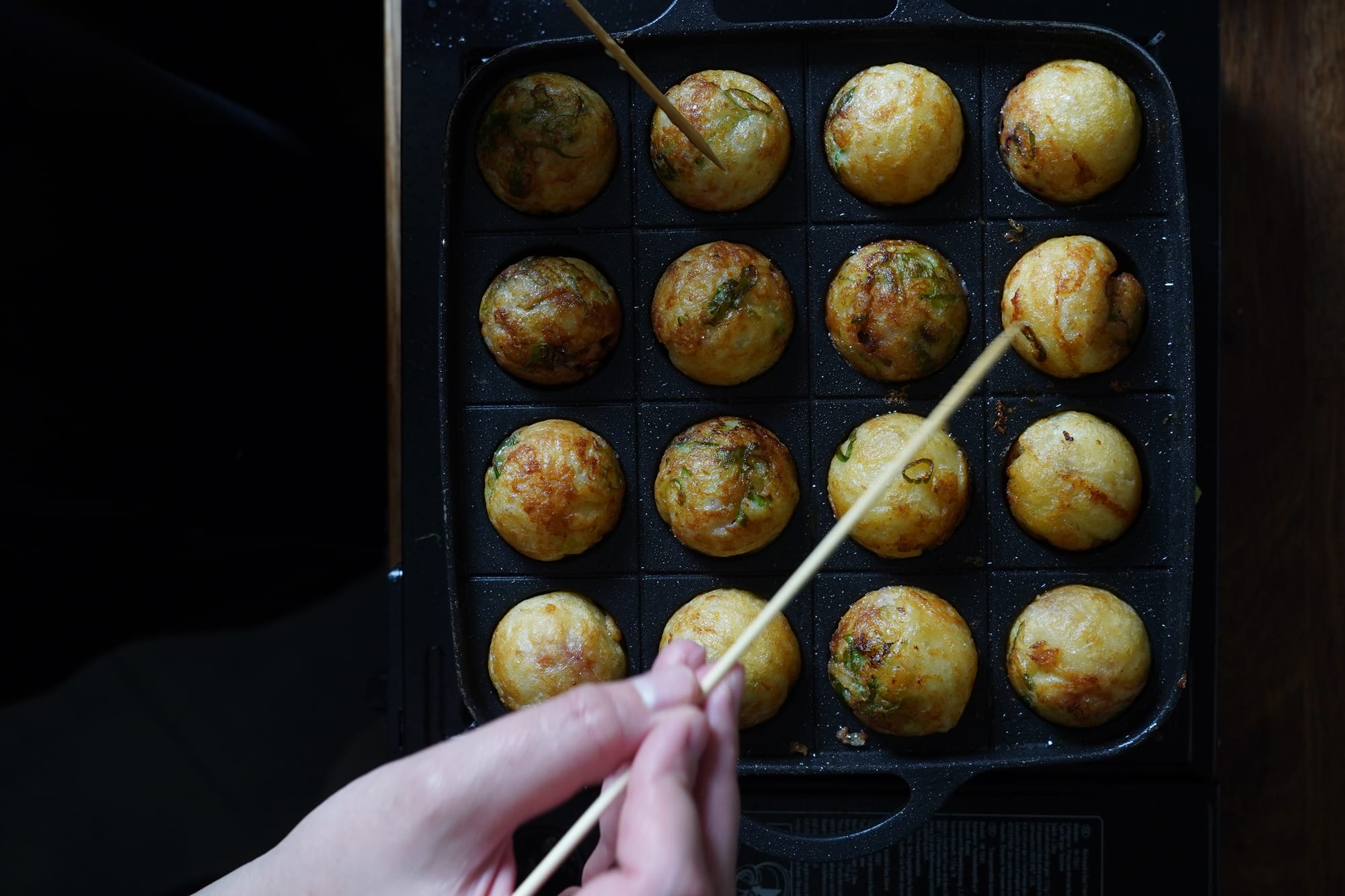
Enjoy! Serve hot with takoyaki sauce, Japanese mayo, extra bonito flakes, and aonori (seaweed powder).
Thank you for joining us for the second issue of DECODED. How did you like the "happy mind" of Osaka?
Takoyaki is more than just a dish; it’s a tool for connection. We hope this recipe brings a bit of that "Tako-pa" magic to your own kitchen—whether you're in Berlin, Japan, or anywhere else in the world.
We’re already scouting the local markets and re-watching our favorite series to find the next story to decode for you.
"What was that dish in that anime?" "I want to recreate that flavor I had in Japan!" If you have any requests, memories, or even photos of your homemade takoyaki, please share them with us below! We’ll decode the secrets behind your favorite dishes and deliver them straight to your kitchen.
To ensure you don’t miss our next culinary journey, please subscribe and follow our updates.
Stay tuned for Issue #3!
Love, Kiki and Coco


Member discussion