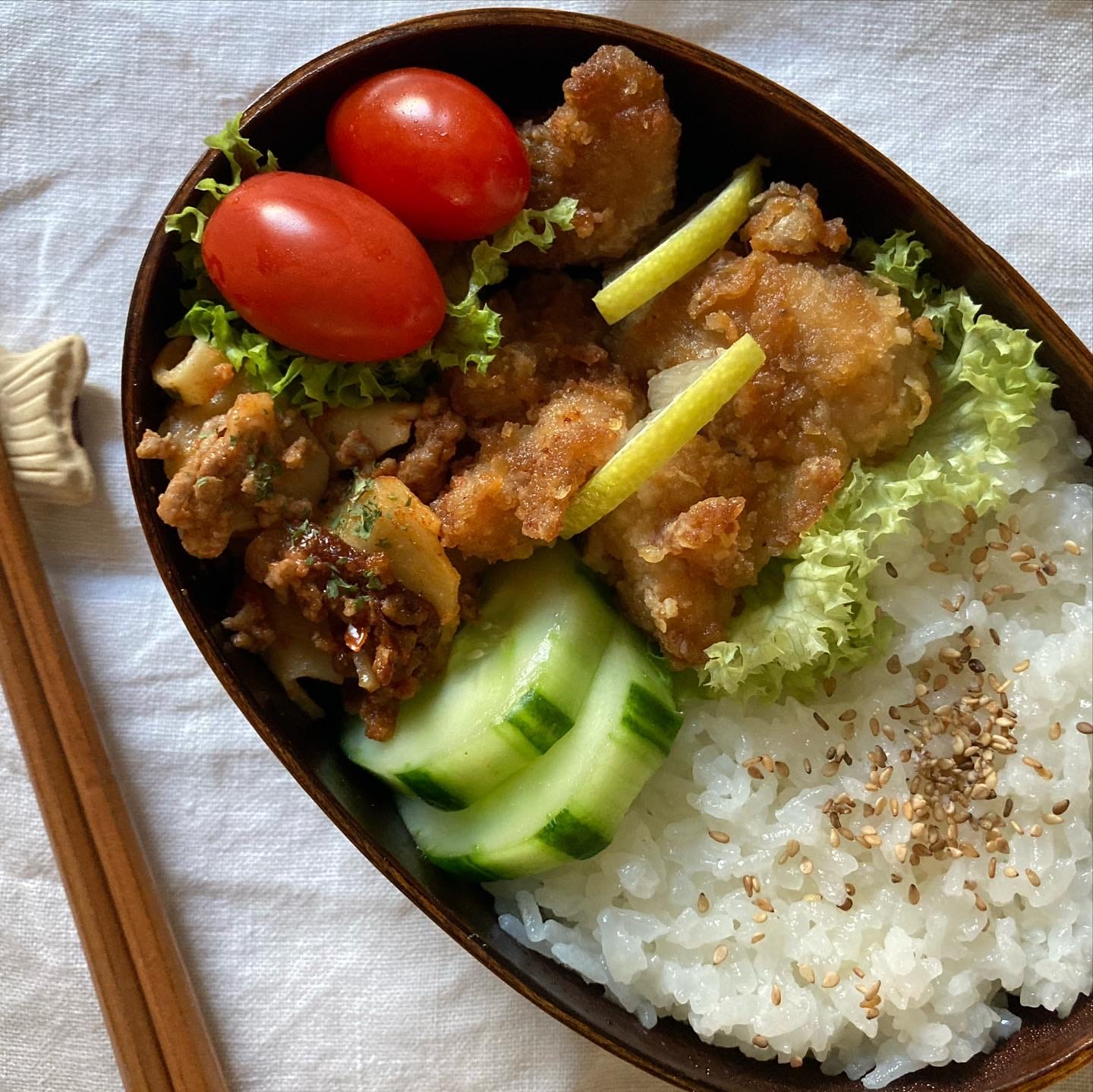
This week, we are headed straight into the heart of the casual Japanese food scene: the Izakaya (居酒屋). If you’ve never been, an izakaya is essentially Japan’s answer to a cozy neighborhood pub—a warm, completely unpretentious space where people gather after work or school to share small plates, drinks, and endless laughs. And if there is one absolute ruler of the izakaya table, it is Karaage.
Karaage is Japanese fried chicken. Bite-sized pieces of chicken are marinated deeply with soy sauce, ginger, and garlic, then tossed in a light coating of flour or rice starch and fried until crispy on the outside and incredibly juicy within.
But the exact second a piping-hot plate of karaage lands on the table, a quiet, hyper-polite psychological warfare occasionally breaks out among the guests. Welcome to Japan’s famous, never-ending “Lemon Debate.”
The Lemon Debate: A Window Into Japanese Society
To give you some context: in Japan, a plate of karaage almost always comes with a single, fresh lemon wedge on the side. Squeezing a bit of bright, tart acid over the hot chicken is a classic way to enjoy it. But this innocent little lemon wedge actually serves as the perfect case study for understanding Japanese culture and social dynamics.
So, why do Japanese people lose their minds over a piece of fruit? It boils down to three main cultural quirks:
The “Shared Plate” Rule: Unlike in Western dining where everyone orders their own individual entree, izakaya dining is entirely communal. The moment that plate of fried chicken touches the table, it becomes collective property. Because of this, reaching out and squeezing lemon over the whole batch isn’t just a flavor choice—it’s viewed as a major, unprompted executive decision made on behalf of the entire group.
The Pressure to “Read the Room”: In Japan, there is a deep-seated cultural value called Kuuki wo yomu (空気を読む), which literally translates to “reading the air.” Especially at a work dinner, there is a silent, invisible pressure to anticipate everyone else’s needs. People will sit there overanalyzing: “Does anyone want lemon? Should I be the proactive person who steps up and squeezes it for the table?” Being able to smoothly navigate these moments without anyone asking is considered the peak of thoughtfulness.
A Clash of Good Intentions: The person squeezing the lemon is doing it out of 100% pure kindness. However, for the person at the table who prioritizes the maximum crunch of the fried chicken skin above all else, that unprompted squirt of lemon juice can feel like a soggy tragedy. It’s a classic case of Japanese politeness accidentally backfiring.
This exact social dilemma was actually featured in a brilliant, hyper-realistic scene in the popular Japanese drama Quartet. If you ever want a funny, sharp peek into the Japanese psyche, look it up on Netflix—it has multilingual subtitles and it’s well worth the watch.
But really, the only reason we debate this so passionately is because everyone just wants to eat their karaage in its absolute prime. It’s just proof of how deeply this dish is loved.
Let’s hand it over to Kiki to break down what actually makes this chicken so special!
Karaage vs. Western Fried Chicken
Welcome to our Digital Kitchen Classroom! Kiki here.
Coco’s lemon debate always cracks me up. When I first moved to Berlin and explained this cultural phenomenon to my German friends, they just laughed and said, “Why doesn’t everyone just squeeze it on their own plate?!” (Which, honestly, is a very fair point.)
Today, we are making our absolute pride and joy: traditional Japanese-style Karaage. People always ask me, “How is this different from standard Western fried chicken?” The secret lies entirely in the order of operations:
Karaage: The flavor is driven into the chicken itself through a heavy marinade, and then it’s finished with a very thin, light coating of flour or starch.
Western Fried Chicken: The chicken is usually left plain or brined, and the heavy flavor, herbs, and spices are packed directly into the thick batter or flour coating.
Japanese karaage is designed to let the juicy, seasoned meat take center stage. While Western fried chicken often relies on breast meat or drumsticks, the absolute gold standard for karaage in Japan is boneless chicken thigh. Thigh meat stays incredibly juicy under high heat, making the chicken light enough that you can easily polish off an entire plate without feeling weighed down. Add that tiny splash of lemon, and it’s game over.
From Berlin to a Perfectly Crispy Plate
You can easily grab fresh chicken thighs (look for Pollo fino at the meat counter) at EDEKA here in Berlin to make this happen. The key to getting that signature, airy crunch is working the marinade into the meat thoroughly so it absorbs all the moisture, and then applying the starch coating right before it hits the oil.
Before you tie your aprons, I have one piece of advice: the next time you find yourself sharing a plate of karaage with friends, use the ultimate magic words to keep the peace. Just ask, “Mind if I squeeze some lemon?” It works every time (laughs).
Ready to cook? Let’s get started.
LESSON6:Crispy Japanese Fried Chicken - Karaage
This post is for paying subscribers only
Sign up now and upgrade your account to read the post and get access to the full library of posts for paying subscribers only.